Investigations
US Department of Energy Awards New Fermilab Management Contract Amid Turbulent Period for the Research Facility
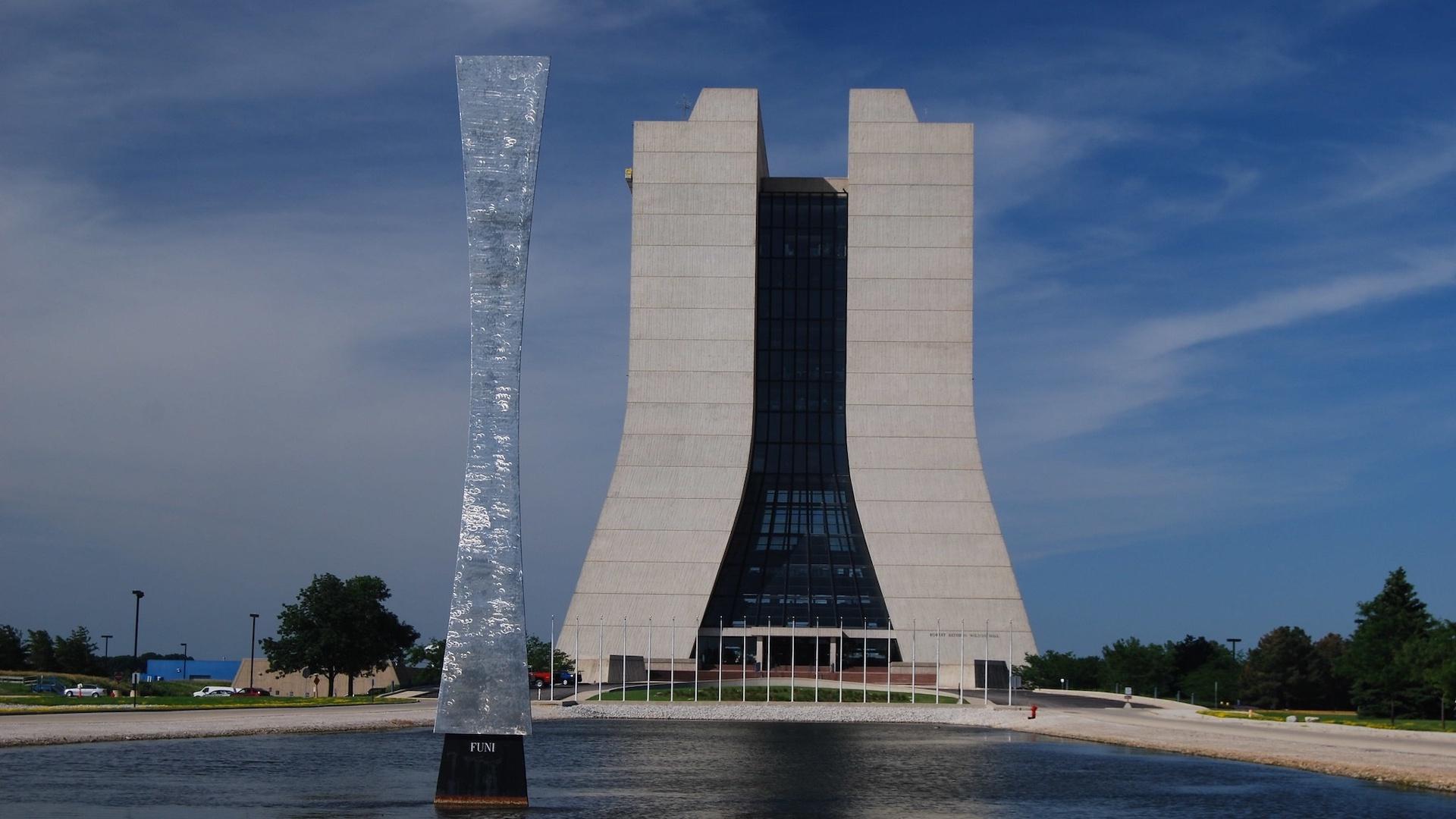 Fermi National Accelerator Laboratory (Michael Kappel / flickr)
The U.S. Department of Energy announced Tuesday the selection of a new management group for the Fermi National Accelerator Laboratory. The operating changes come in the wake of a tumultuous period for the scientific facility in suburban Batavia.
The Fermi Forward Discovery Group, which was awarded the contract, is comprised of the University of Chicago, Universities Research Association (URA), Amentum Environment & Energy and Longenecker & Associates.
URA is a consortium of over 94 leading research-oriented universities, primarily in the United States.
Amentum specializes in environmental remediation, infrastructure development and aviation safety initiatives with numerous government contracts. Longenecker and Associates has extensive experience aiding the DOE and other federal agencies, U.S. national laboratories and industry in national security, environmental remediation and clean energy.
The DOE announced proposals for the management assignment in January 2023. In 2007, URA partnered with UChicago to manage and operate the lab as the Fermi Research Alliance.
The Fermi Research Alliance will continue to manage Fermilab through the end of this calendar year under its current contract and will fully support the transition process, according to a press release from DOE.
Management contracts are granted for five-year intervals. The new contractor will assume operations following a 90-day transition period in October.
The contract has an award-term incentive for exemplary performance, allowing the government to extend the contract up to a total of 15 years beyond the initial five-year base term.
Juan de Pablo recently left his position at UChicago, where he led the oversight of Fermilab among other responsibilities, for a position at New York University.
The management shift follows an uneasy few years for the 6,800-acre facility and its 2,100 employees.
A group of whistleblowers recently published a report alleging significant human resources, safety and financial issues at Fermilab. The report claimed over a decade of unethical and potentially illegal conduct.
Concerns ranged from a hostile work environment to questionable management practices, including alleged incidents of harassment, unsafe behavior and financial mismanagement.
The report criticized Fermilab’s leadership, saying many staff members were unhappy and that issues with costs threatened the lab’s operations. Fermilab’s leadership expressed its commitment to rebuilding trust as changes were implemented.
The whistleblowers argued the lab’s problems stem from the top, pointing to a lack of qualified replacements for key leadership roles and advocating for reforms to restore trust and improve operations. They stressed that immediate action was needed to secure the future of domestic particle physics research.
The financial strain came to a head recently when Fermilab announced a partial closure of the facility in July. The limited operations period was later shortened following input from DOE and the Fermi Research Alliance, according to a spokesperson for the lab.
Safety and financial concerns were a focal point following the release of the 2021 DOE report card, which rated Fermilab below a passing grade overall that fiscal year. The analysis gave its lowest marks for project and program management, construction and operation of research facilities and business systems.
Overall grades for the laboratory have since improved.
A high-profile injury in 2023 of an ironworking subcontractor who fell during construction of the Proton Improvement Plan–II (PIP-II) project also raised red flags. James Daniels plummeted 23 feet to a concrete slab below after striking a cross brace halfway down during the fall, according to an accident report and documents from a pending lawsuit.
The accident report concluded that this incident, and the resulting serious injuries including head trauma, were preventable.
Fermilab was established in 1967 and is funded primarily by DOE’s Office of Science. Fermilab has a current annual budget of approximately $614 million.
Contact Jared Rutecki: @JaredRutecki | [email protected]